

Experience Enhanced Precision and Strategic Control
Discover how our Predictive Dynamics Engine delivers unmatched stability, alignment, and intelligent interaction logic to drive your success.
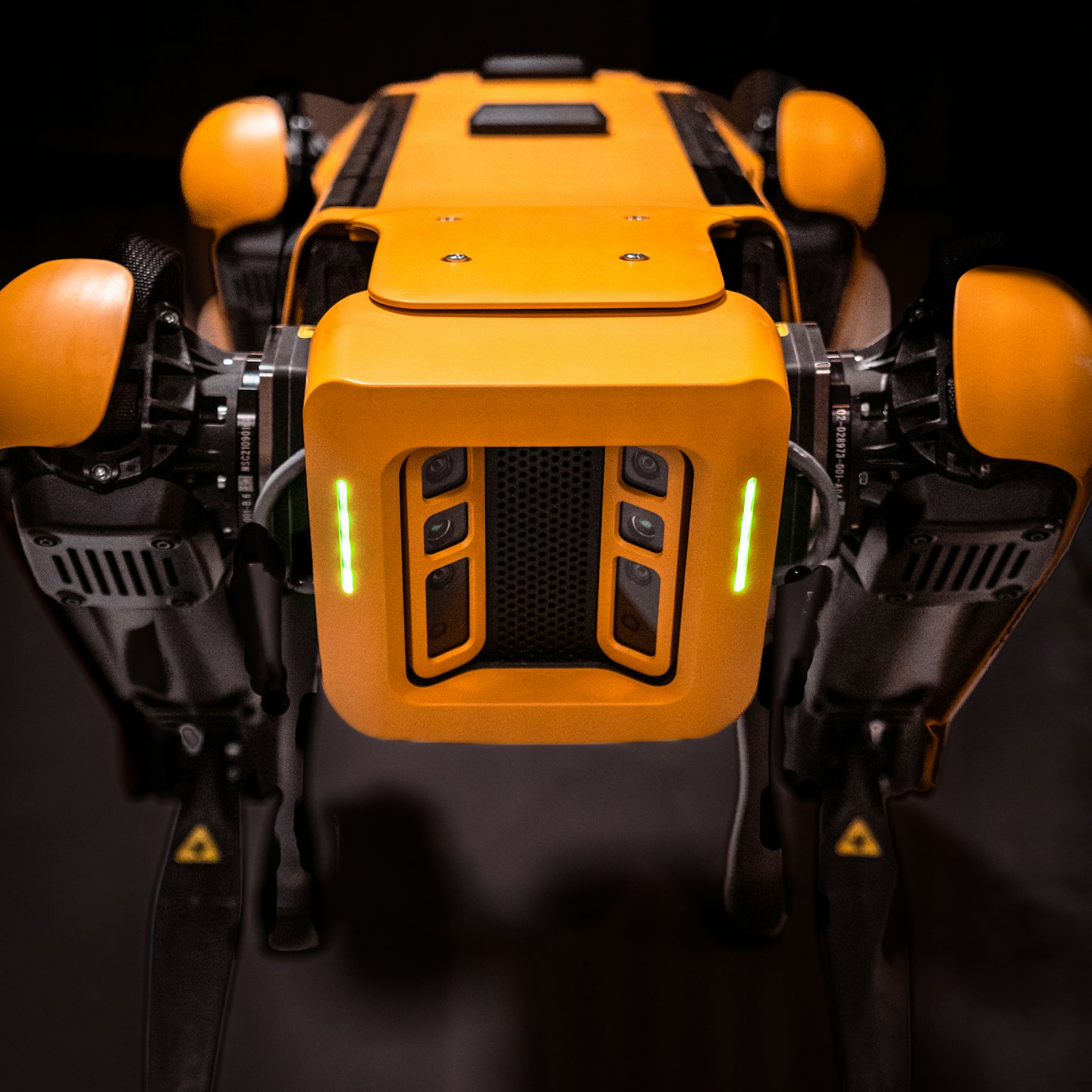

Robust Predictive Physics Core
Ensures dynamic simulations remain stable and accurate, enabling seamless integration with complex systems for reliable performance.

Strategic Multi-Layer Dynamics
Facilitates sophisticated behavior modeling, aligning system operations with commercial objectives for optimized decision-making.

Comprehensive System Integration
Supports smooth interaction across components, enhancing overall functionality while maintaining predictive consistency.
Predictive Dynamics Engine — Interaction Logic, Predictive Physics & Multi‑Layer Behavioural Dynamics
The Predictive Dynamics Engine governs how predictive forces interact across the Outreach Engine. It manages the relationships between force, speed, intensity, momentum, trajectory and flow — ensuring predictive behaviour behaves like a stable, unified, commercially aligned physics system.
This is the Outreach Engine’s predictive physics layer — the system that ensures every predictive component interacts correctly, safely and strategically.
1. Purpose of the Predictive Dynamics Engine
The Predictive Dynamics Engine exists to:
- Control how predictive forces interact across layers
- Ensure predictive physics remain stable and aligned
- Prevent destructive or conflicting predictive interactions
- Maintain commercial direction through dynamic balance
- Guarantee smooth, stable predictive behaviour at all scales
This is the Outreach Engine’s predictive interaction system.
2. Predictive Physics Model
Predictive dynamics operate on a physics‑inspired model with six core variables:
- Force: predictive influence strength
- Speed: predictive evolution rate
- Intensity: predictive energy level
- Momentum: accumulated predictive movement
- Trajectory: long‑term predictive direction
- Flow: smoothness of predictive transitions
The Predictive Dynamics Engine ensures these variables interact correctly.
3. Predictive Interaction Engine
Predictive interactions determine how one predictive variable affects another. Key interactions include:
- Force → Speed: stronger force increases predictive speed
- Speed → Intensity: faster speed increases intensity
- Intensity → Momentum: higher intensity accelerates momentum
- Momentum → Trajectory: accumulated momentum shapes direction
- Trajectory → Flow: stable direction improves flow
These interactions form the Outreach Engine’s predictive physics chain.
4. Predictive Balance Engine
Predictive balance ensures no variable overwhelms the system. Balance includes:
- Force Balance: prevent over‑force or under‑force
- Speed Balance: prevent over‑acceleration
- Intensity Balance: prevent overload
- Momentum Balance: prevent runaway momentum
- Trajectory Balance: prevent direction instability
Balance ensures predictive behaviour remains stable and commercially safe.
5. Behavioural Dynamics
Behavioural dynamics govern how predictive physics interact with user behaviour. Controls include:
- Behaviour‑Force Dynamics: force must match engagement
- Behaviour‑Speed Dynamics: speed must match clarity
- Behaviour‑Intensity Dynamics: intensity must match comfort
- Behaviour‑Momentum Dynamics: momentum must match response patterns
- Behaviour‑Trajectory Dynamics: direction must match behavioural signals
Behavioural dynamics ensure predictive physics remain user‑aligned.
7. Commercial Dynamics
Commercial dynamics govern how predictive physics interact with value and intent. Controls include:
- Commercial‑Force Dynamics: value must match predictive force
- Commercial‑Speed Dynamics: commercial movement must evolve correctly
- Commercial‑Intensity Dynamics: value messaging must match intent
- Commercial‑Momentum Dynamics: value must accumulate strategically
- Commercial‑Trajectory Dynamics: commercial direction must remain stable
Commercial dynamics ensure predictive physics support revenue outcomes.
8. Predictive Stability Dynamics
Stability dynamics ensure predictive physics never destabilise the system. Controls include:
- Force Dampening: reduce force during risk
- Speed Dampening: slow predictive evolution
- Intensity Dampening: soften messaging
- Momentum Dampening: prevent runaway movement
- Trajectory Dampening: stabilise direction
Stability dynamics ensure predictive physics remain safe and controlled.
9. Integration With the Engine Framework
The Predictive Dynamics Engine integrates with all Engines:
- Signals Engine: dynamics filter predictive signals
- Behavioural Engine: dynamics align engagement
- Authority Engine: dynamics align tone
- Commercial Architecture: dynamics align value
- Intelligence Engine: dynamics govern predictions
- Outreach Engine: dynamics‑led execution
The Predictive Dynamics Engine is the Outreach Engine’s predictive physics core.
Next Step — Outreach Engine: Predictive Behaviour Engine
The next page introduces the Predictive Behaviour Engine — the system that models, forecasts and responds to behavioural patterns using predictive intelligence.
Topic Index (SEO Keyword Cluster)
predictive dynamics engine, predictive physics, outreach dynamics, behavioural dynamics, trafficvault outreach engine.
Discover Predictive Dynamics
Delve into the core mechanics that empower our Elite+ Version, ensuring robust physics and strategic interaction for unparalleled predictive performance.
Multi-layer Dynamics
Ensures stability and precise alignment across complex predictive models.
Strategic Interaction Logic
Drives intelligent behavior aligned with commercial objectives.
Seamless System Integration
Facilitates smooth operation within the Outreach Engine ecosystem.
Predictive Solutions Tailored to Your Challenges
Explore key challenges and discover how the Predictive Dynamics Engine offers precise, effective resolutions.
Seamless Physics Integration
Our engine ensures smooth, stable physics interactions to eliminate simulation errors and maintain consistency.
Adaptive Strategic Behavior
Leverages layered dynamics to enable intelligent decision-making that aligns with your commercial goals.
Robust Interaction Logic
Enhances system responsiveness by accurately predicting complex interactions, reducing risks and delays.

Multi-System Synchronization
Coordinates predictive layers to resolve recurring conflicts, ensuring reliable and aligned operations.
How It Operates
Explore the core mechanics that drive our engine, guiding you through setup and maximizing efficiency.

Phase One: Initialization
Engineered to meet your precise operational demands with unmatched accuracy.

Phase Two: Dynamics Integration
Delivering customized predictive physics for superior performance and stability.

Phase Three: Strategic Alignment
Designed to ensure dependable outcomes with advanced interaction logic.
Authentic Insights from Predictive Dynamics Users
Discover the comprehensive workflow that empowers users to harness the full potential of the Predictive Dynamics Engine.
How Predictive Dynamics Drives Exceptional Performance
This case study reveals how integrating our engine resolved key operational challenges, boosting stability, precision, and strategic outcomes.


Sustaining Excellence through Advanced Predictive Techniques
This analysis details how a firm refined its dynamics, aligned systems, and realized superior predictive control with our engine.
Revolutionizing Workflow with Predictive Dynamics Integration
This case study illustrates how deploying our engine enhanced process alignment, minimized errors, and accelerated growth trajectories.
