

Experience Precision Control and Predictive Power
Discover how our Predictive Motion Engine transforms force, speed, and momentum into optimized commercial and behavioral outcomes.

Dynamic Force Regulation
Harness real-time kinetic intelligence to modulate force and intensity, ensuring optimal operational efficiency and responsiveness.

Seamless System Integration
Effortlessly connect with existing predictive frameworks, enabling holistic motion management across platforms for superior results.
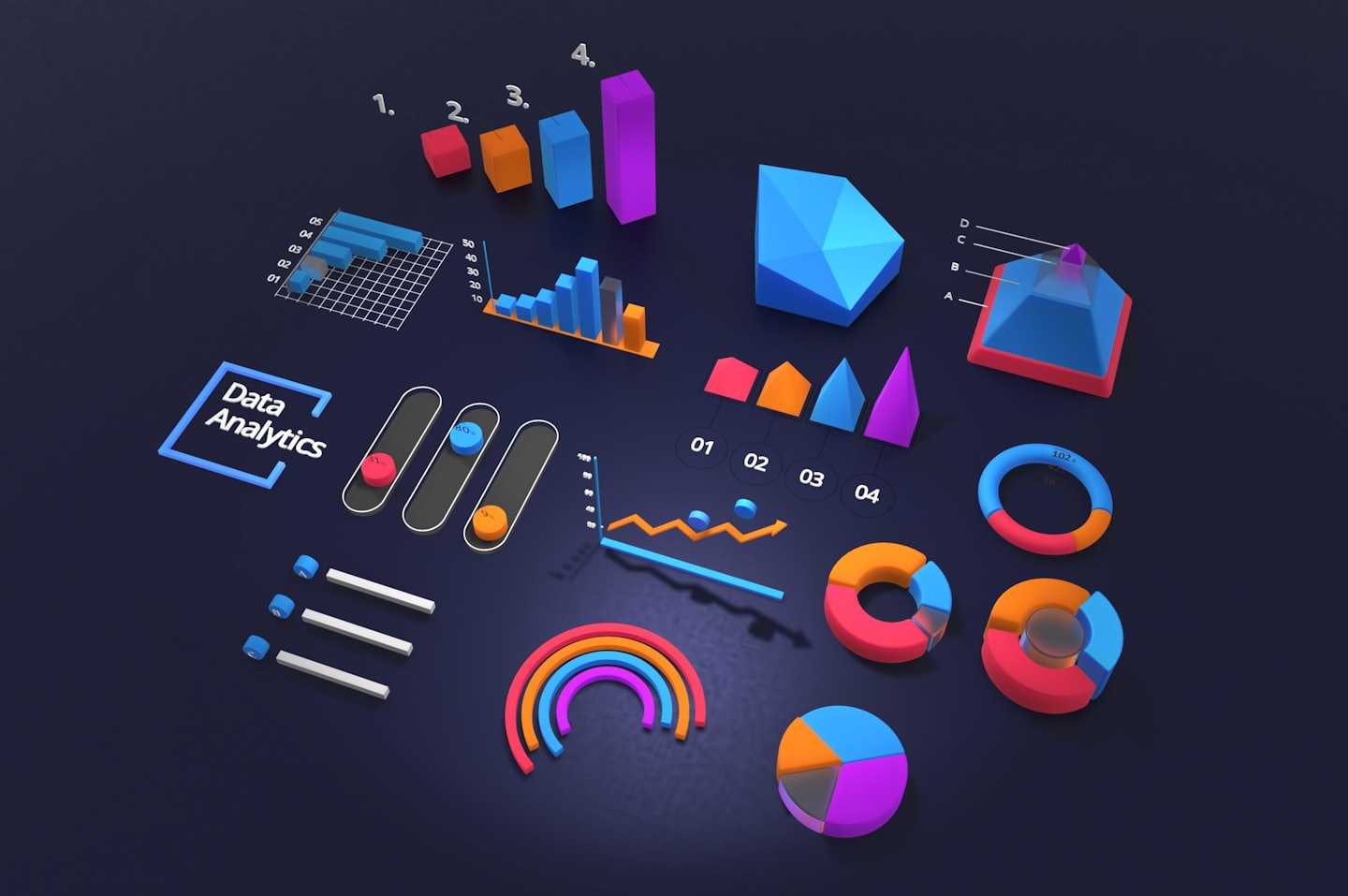
Outcome Optimization Algorithms
Leverage advanced predictive models that fine-tune momentum and speed, driving enhanced engagement and performance metrics.
Predictive Motion Engine — Kinetic Intelligence, Force Control & Multi‑Layer Predictive Momentum
The Predictive Motion Engine controls the force, speed and intensity of predictive movement across the Outreach Engine. It determines how strongly predictions influence behaviour, how quickly predictive states evolve, and how much kinetic energy is applied to each stage of the outreach lifecycle.
This is the Outreach Engine’s kinetic intelligence layer — the system that transforms predictive insight into controlled, commercially aligned motion.
1. Purpose of the Predictive Motion Engine
The Predictive Motion Engine exists to:
- Control the force of predictive influence
- Regulate predictive speed and intensity
- Manage kinetic transitions between predictive states
- Prevent over‑force, under‑force or unstable motion
- Ensure predictive momentum aligns with commercial direction
This is the Outreach Engine’s predictive force regulator.
2. Predictive Motion Architecture
Predictive motion is built on three kinetic layers:
- Micro‑Motion: force applied to individual messages
- Sequence‑Motion: force applied to stage transitions
- Lifecycle‑Motion: force applied across the entire outreach journey
These layers ensure predictive force is applied with precision at every scale.
3. Predictive Force Engine
Predictive force determines how strongly predictions influence behaviour. Force types include:
- Soft Force: minimal predictive influence
- Guided Force: moderate predictive influence
- Momentum Force: strong predictive influence
- Authority Force: high‑precision tone‑driven influence
- Commercial Force: value‑driven predictive influence
Force must always match behavioural, authority and commercial predictions.
4. Predictive Speed Engine
Predictive speed determines how quickly predictive states evolve. Speed levels include:
- Slow Speed: stabilisation, recovery, risk
- Steady Speed: clarity, alignment, evaluation
- Fast Speed: momentum, authority, value
- Accelerated Speed: conversion‑aligned behaviour
- Restricted Speed: safety‑locked behaviour
Speed must always match predicted momentum and stability.
5. Predictive Intensity Engine
Predictive intensity determines how much energy is applied to each predictive action. Intensity levels include:
- Low Intensity: nurture, recovery, stabilisation
- Medium Intensity: alignment, evaluation, clarity
- High Intensity: momentum, authority, value
- Peak Intensity: conversion‑aligned messaging
- Zero Intensity: safety lock, predictive freeze
Intensity must always match predicted commercial direction.
6. Predictive Momentum Engine
Predictive momentum determines how predictive force accumulates over time. Momentum types include:
- Behavioural Momentum: rising engagement and clarity
- Authority Momentum: rising trust and tone alignment
- Commercial Momentum: rising value and intent
- Cross‑Layer Momentum: all layers rising together
- Stabilisation Momentum: controlled recovery movement
Momentum ensures predictive movement compounds correctly.
7. Predictive Motion Transitions
Motion transitions determine how predictive force shifts between states. Transitions include:
- Soft → Guided: early engagement
- Guided → Momentum: rising authority and value
- Momentum → Peak: conversion alignment
- Peak → Stabilisation: post‑conversion control
- Any → Zero: safety override
Transitions must always be smooth, controlled and commercially aligned.
8. Predictive Channel Motion
Channel motion determines how predictive force behaves across channels. Controls include:
- Email Motion: low‑force, high‑clarity
- WhatsApp Motion: medium‑force, high‑momentum
- Telegram Motion: high‑force, high‑intensity
- Controlled Motion: safety‑aligned channel behaviour
- Cross‑Channel Motion: force must remain consistent across channels
Channel motion ensures predictive force matches channel expectations.
9. Integration With the Engine Framework
The Predictive Motion Engine integrates with all Engines:
- Signals Engine: motion filters predictive signals
- Behavioural Engine: motion aligns engagement
- Authority Engine: motion aligns tone
- Commercial Architecture: motion aligns value
- Intelligence Engine: motion governs predictions
- Outreach Engine: motion‑led execution
The Predictive Motion Engine is the Outreach Engine’s kinetic intelligence core.
Next Step — Outreach Engine: Predictive Dynamics Engine
The next page introduces the Predictive Dynamics Engine — the system that governs the *interaction* between force, speed, intensity, momentum and trajectory across all predictive layers.
Topic Index (SEO Keyword Cluster)
predictive motion engine, predictive force control, kinetic intelligence, outreach momentum, trafficvault outreach engine.
Understanding the Predictive Motion Engine
Explore how our advanced kinetic intelligence system precisely controls force, speed, intensity, and momentum to enhance performance.

Phase One: Initiating Motion Control
Discover the initial setup of the Predictive Motion Engine, laying the groundwork for seamless integration and optimal motion regulation.

Phase Two: Dynamic Regulation
Learn how the engine actively manages kinetic parameters in real-time to drive efficient and targeted outcomes.

Phase Three: Outcome Optimization
See how the system refines motion dynamics to maximize commercial and behavioral results through predictive adjustment.
Discover the Power of Predictive Motion
Delve into the core capabilities of our Predictive Motion Engine, showcasing how it precisely controls force, speed, intensity, and momentum to drive superior commercial and behavioral outcomes.

Kinetic Force Control
Regulates dynamic forces to optimize system responsiveness and efficiency.

Momentum Optimization
Enhances motion flow to ensure seamless integration within the Outreach Engine.

Predictive Speed Modulation
Adjusts velocity parameters to maximize engagement and predictive accuracy.
Harnessing Predictive Motion to Overcome Your Toughest Challenges
Explore the critical challenges faced in motion dynamics and discover how our engine delivers precise solutions to each.
Dynamic Force Control
Our engine expertly manages force application, ensuring rapid and accurate adjustments to maintain optimal motion flow.
Momentum Optimization
By predicting and regulating momentum shifts, the system eliminates inefficiencies and enhances performance outcomes.
Integrated Behavioral Insights
Leveraging kinetic intelligence to transform behavioral patterns, turning uncertainty into strategic advantage.

Customer Success Stories That Inspire Confidence
Discover the detailed workflow designed to guide users in harnessing the full potential of the Predictive Motion Engine.
Driving Exceptional Growth Through Predictive Motion
This case study reveals how a leading firm utilized our kinetic intelligence system to enhance operational speed, maximize momentum, and boost overall performance.


Sustaining Growth with Precision Motion Control
Explore how targeted motion regulation enabled a company to overcome challenges and achieve superior commercial outcomes.
Revolutionizing Business Dynamics with Predictive Insights
This case study details how integrating the Predictive Motion Engine optimized force and intensity control, leading to streamlined processes and measurable success.
